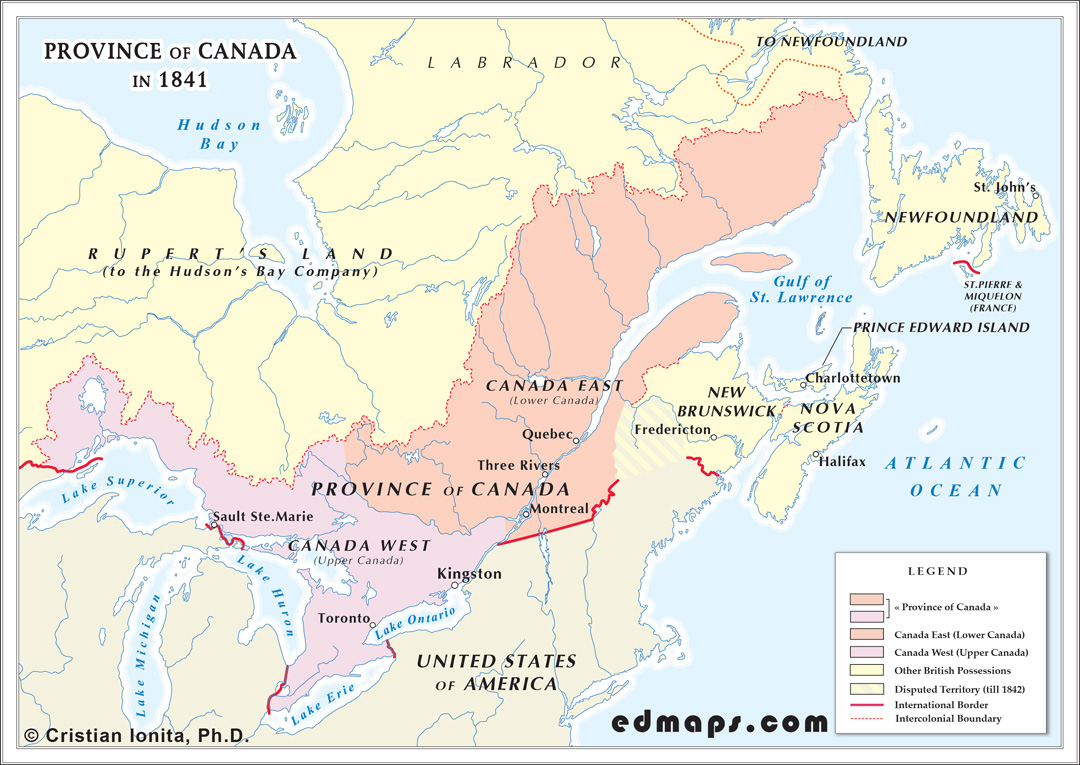
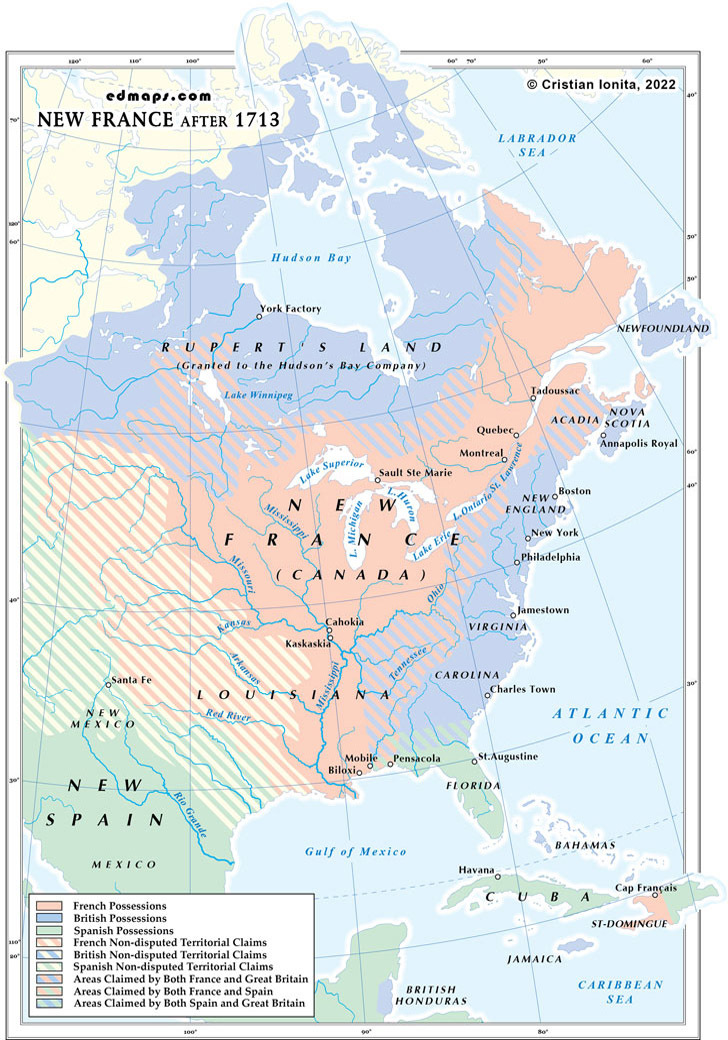
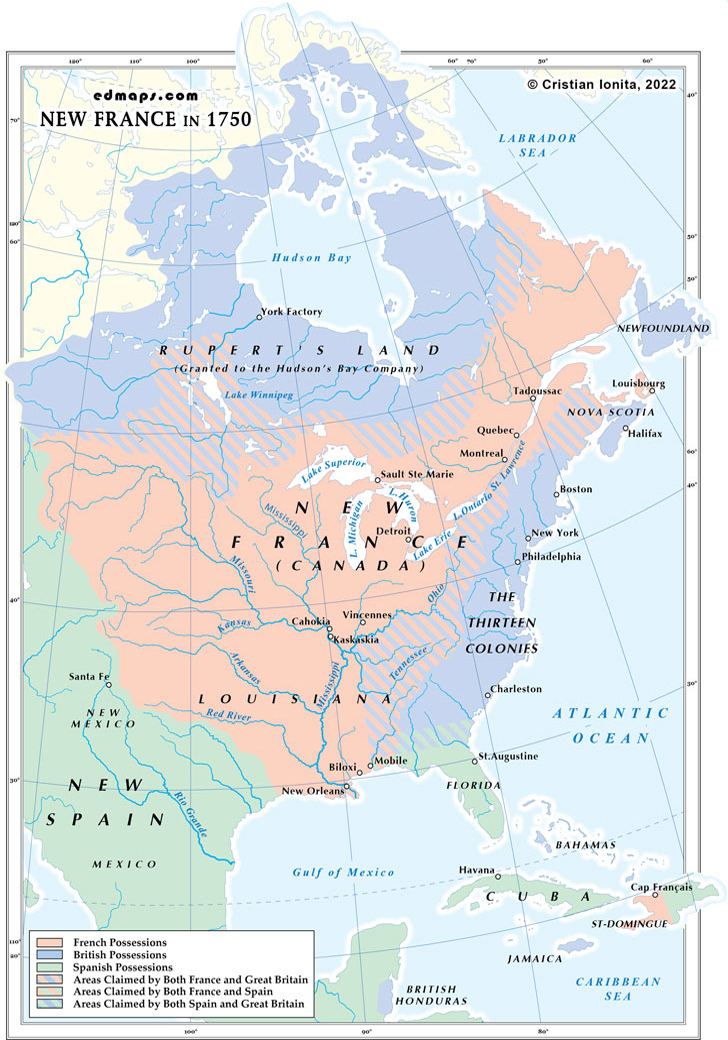
The Act of Union (1840), implemented following Lord Durham's Report on the rebellions of 1837-1838, fundamentally restructured British North America by uniting Upper and Lower Canada into a single Province of Canada with significant administrative and territorial implications.
The act merged Upper Canada and Lower Canada into the Province of Canada, creating a unified colony with approximately 1.1 million inhabitants. This union aimed to assimilate the French Canadian population into British culture and governance while addressing the administrative inefficiencies Durham identified in his report.
Although politically united, the province was administratively divided into two sections: Canada East (former Lower Canada) with its predominantly French Catholic population of roughly 650,000, and Canada West (former Upper Canada) with approximately 450,000 predominantly English-speaking Protestant residents. Each section maintained distinct legal systems: French civil law in Canada East and English common law in Canada West.
The Legislative Assembly featured equal representation from both sections with 42 members each, despite Canada East's larger population. This arrangement was designed to prevent French Canadian political dominance and encourage British immigration to Canada West. The Legislative Council consisted of appointed members representing both sections.
The internal boundary between Canada East and Canada West followed the Ottawa River, but the eastern frontier of the United Canada lay farther downriver, along the lines separating Canada East from New Brunswick and from the Labrador coast, which remained under Newfoundland’s jurisdiction. To the south, the border followed the St. Lawrence River and the Great Lakes as defined by earlier Anglo‑American treaties, with a section disputed till 1842 (Northern Maine). To the west, the province extended to the upper Great Lakes beyond which stretched the vast, undefined territories of Rupert’s Land under the authority of the Hudson’s Bay Company.
The union created ongoing tensions between the two sections over representation, taxation, religion, and language rights. The capital alternated between Kingston, Montreal, Toronto, and Quebec City due to sectional rivalry. Managing cultural and linguistic differences while implementing unified policies proved persistently difficult.
Nova Scotia, New Brunswick, Prince Edward Island, and Newfoundland remained separate colonies with distinct territorial administrations, while the vast Hudson's Bay Company territories extended across the western interior.